

Backyard upgrades can make a Hamilton home more useful all year. They can also create more cleaning and maintenance work than many owners expect.
That is especially true when water, shade, and foot traffic all increase at once. In suburbs like Dinsdale, Rototuna, Flagstaff, and Frankton, that mix can turn tidy outdoor areas slippery and stained quite fast.
A simple checklist helps you stay ahead of that problem. It also helps protect the money you have already put into your property. The key areas to pay attention to include the roof, gutters, concrete paths, decks, fences, and pool surrounds. This guide will walk you through each surface cleaning part, making it easier to keep your outdoor spaces in top shape.
Start at the top with the roof and gutters
The first check should always be your roofline. If gutters are full, rainwater will spill where it should not. That overflow often lands on decks, paths, walls, and garden edges. Over time, it can leave marks, encourage algae and moss, and create soft ground near outdoor living areas.
Homes with larger outdoor zones need this checked more often. Trees, roof moss, and general debris can build up quickly between seasons. As a general rule, aim to check your gutters and roofline at least at the start of each season, or every 2–3 months, to prevent problems from accumulating.
If you have a pool area or entertainment space below the roof edge, this becomes even more important. Dirty runoff has a habit of ending up where people walk barefoot.
Check how water moves across the section
A clean surface will not stay clean for long if drainage is poor. Water needs to be moved away from the house and from gathering areas. Look for low spots after rain. Check where downpipes discharge, where paths slope, and where splashback collects near walls or fences.
This matters especially in concrete. When water sits, it often leaves dark patches, green growth, or a slimy film. Pool surrounds, paved zones, and paths between the house and yard are common trouble spots. The problem is usually worse in shaded corners.
Put hard surfaces on a regular cleaning cycle
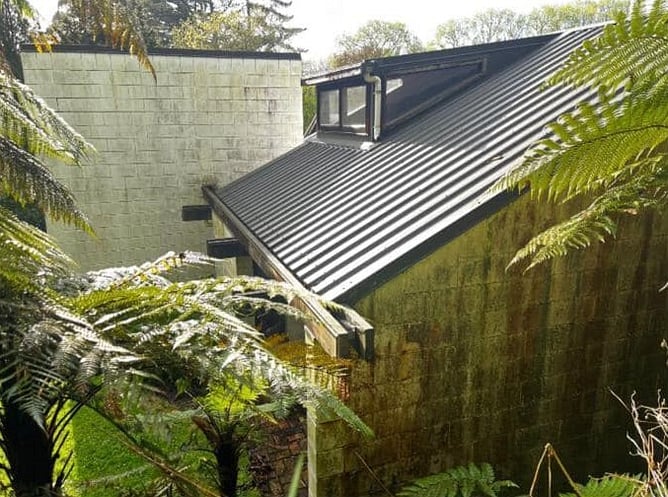
Concrete paths and outdoor surfaces collect more than dirt. They also hold leaf tannins, mildew, mould, and grime from daily use. Once that build-up settles in, the surface starts to look older than it is. It can also become slippery after damp mornings.
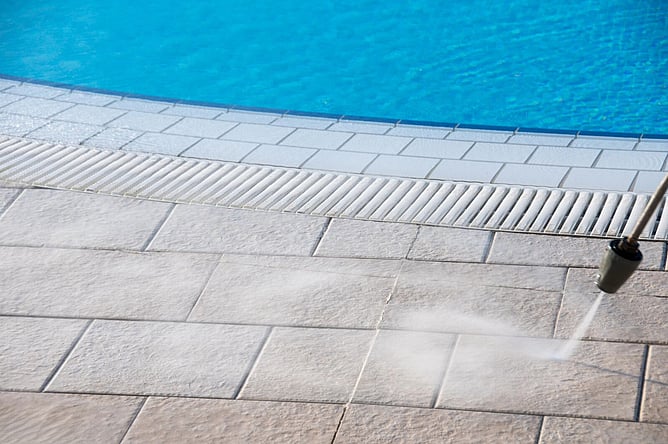
A regular wash keeps the surface safer and easier to manage. It also makes small issues easier to spot before they spread.This applies to driveways, entry paths, patios, and pool surrounds. It also applies to steps, edging, and narrow walkways beside the house.
In Hamilton, many homes have a mix of concrete and timber outside. When one surface is cleaned, and the other is ignored, the whole area can still look tired.
Do not forget decks and fence lines
Decks often sit close to gardens, lawn edges, and shaded boundaries. That makes them magnets for moisture and organic build-up. A deck may still look fine from the back door. Up close, it can already be collecting grime in the grain and around the fasteners.
Fence lines can have the same issue. They trap shade, reduce airflow, and create damp strips beside paths and paved areas. These edges are easy to miss in day-to-day life. They are also the places where slippery growth often starts first.
Pay attention after any backyard upgrade
A new outdoor feature usually changes how the whole area performs. It changes sun exposure, airflow, runoff, and the way people move through the section. That can happen after a new deck, pergola, outdoor kitchen, or concrete pool project changes how water and foot traffic move around the yard.
It can also occur after new planting, retaining walls, or additional paving. This is why a maintenance reset matters after any upgrade. A maintenance reset means taking a fresh look at your outdoor space.
Check whether drainage patterns have changed, reassess your regular cleaning plan, and inspect new features for any early signs of grime or wear. Make sure gutters, surfaces, and paths continue to drain well, and update your cleaning routines if needed. What worked before may no longer be enough.
A path that stayed dry may now sit in shade. A gutter outlet that caused no issue before may now drain beside a high-use area.
Keep house washing in the plan
Outdoor surfaces are not the only areas affected by moisture. Exterior walls, joinery, and cladding can also collect grime over time. This is common near pool areas, garden beds, and spots with frequent splashback. It is also common where trees reduce sun on one side of the house.
A clean exterior lifts the look of the whole property. More importantly, it helps prevent dirt and organic growth from becoming harder to remove later. When walls, soffits, gutters, and surfaces are cleaned together, the result lasts longer. It also gives you a clearer view of what needs repair.
Outdoor Property Maintenance Checklist
Use this checklist every season, and again after any major backyard upgrade.
Roof and gutters
Clear leaves and debris from gutters
Check for gutter overflow marks
Make sure downpipes are flowing properly
Look for moss or lichen on the roof
Check that water is not spilling onto paths or decks
Drainage and runoff
Check for puddles after rain
Look for low spots near paths, patios, or pool areas
Make sure water drains away from the house
Check garden edges for washout or soft ground
Inspect shaded corners where moisture sits longer
Concrete paths and paved areas
Inspect paths for algae, mould, or grime
Clean slippery areas before they get worse
Check steps and edges for staining
Wash high-traffic areas regularly
Look for cracks or uneven spots that hold water
Decks and timber surfaces
Check decks for dirt build-up and slippery patches
Clean around handrails, joins, and fasteners
Inspect shaded boards for mould or mildew
Check areas near planters and fence lines
Remove leaves trapped between boards or edges
Exterior walls and house wash areas
Check cladding for grime and splashback marks
Inspect soffits, fascias, and joinery
Wash walls near garden beds or wet areas
Look for green growth on shaded sides of the house
Clean problem areas before stains set in
After a backyard upgrade
Recheck drainage after new paving or landscaping
Inspect new high-use walkways
Check how shade has changed across the section
Monitor runoff around decks, patios, or pool surrounds
Update your cleaning schedule to suit the new layout
A simple seasonal checklist
At the start of each season, inspect the roof and clear the gutters. Check downpipes, look for overflow marks, and note any new staining. Wash concrete paths, steps, and high-use outdoor areas before grime gets heavy. Clean decks, fence lines, and shaded corners before they become slippery.
After heavy rain, check where water has pooled or tracked across the section. After any upgrade, reassess the whole outdoor area instead of one surface. Good property maintenance is rarely about one big clean.
In most Hamilton homes, it is the small checks that keep outdoor spaces safer, cleaner, and easier to enjoy. Always use caution, especially when working on elevated or slippery surfaces like wet decks and pool surrounds. If a job feels unsafe or too challenging, it's best to hire a professional. This helps ensure that maintenance is both safe and effective.