
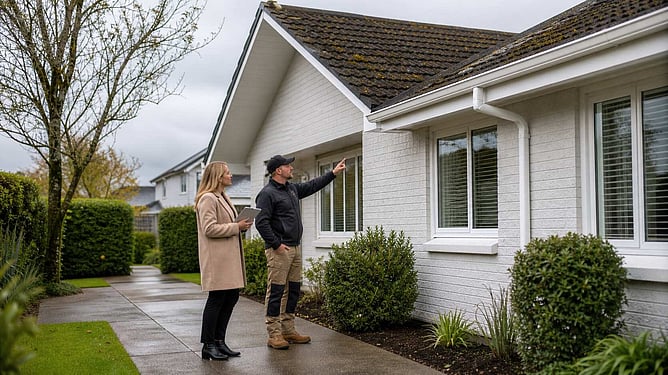
Winter can be tough on Waikato homes. Cold mornings, regular rain, and high humidity often create the perfect conditions for dampness to build up indoors.
Many homeowners notice condensation on windows, musty smells, mould growth, or rooms that never seem to warm up properly. While heating plays a role, exterior maintenance problems are often part of the issue too.
Understanding how moisture enters and stays in a home can help prevent larger problems during winter.
Waikato’s Climate Creates Ideal Conditions for Dampness
The Waikato region experiences long periods of wet weather through winter. Areas around Hamilton, Cambridge, Te Awamutu, and Morrinsville often deal with heavy morning fog, persistent rain, and limited winter sunlight.
That combination slows down how quickly roofs, gutters, and exterior surfaces can dry.
Homes surrounded by trees or shaded sections are especially vulnerable. Moss and debris can collect on roofs, while blocked gutters allow water to overflow into unwanted areas around the property.
Over time, excess moisture outside can contribute to higher humidity levels inside the home.
Blocked Gutters Can Make Moisture Problems Worse
Many homeowners focus only on what is happening indoors. However, poor drainage outside the property can directly affect internal moisture levels.
When gutters overflow, water can:
pool around foundations
seep into wall cavities
increase subfloor moisture
create damp areas near entry points
Older Waikato homes are particularly vulnerable because many were not designed with modern moisture control systems.
Regular gutter clearing and roof maintenance help reduce the amount of excess water sitting around the property during winter.
Roof Moss and Debris Hold Moisture for Longer
Roof moss is common throughout the Waikato due to the region’s damp conditions. South-facing roofs and shaded areas are often the worst affected.
Moss acts like a sponge. It traps moisture against roofing materials and slows drying after rain.
Over time, this can:
increase roof deterioration
block water flow
contribute to leaks
create ongoing moisture exposure
Even small leaks or damp roof spaces can raise indoor humidity levels.
This is one reason many property maintenance professionals recommend preventative roof cleaning before winter arrives.
Condensation Is Often a Ventilation Problem
Many New Zealand homes hold moisture inside during winter because they are closed up for warmth.
Cooking, showering, drying clothes indoors, and everyday living all release moisture into the air. Without proper airflow, that moisture settles on colder surfaces.
Condensation is especially common in older insulated homes and properties with limited airflow.
Good ventilation becomes important during colder months. Systems designed for heating and cooling can help improve airflow and reduce indoor moisture buildup when paired with proper insulation and moisture management.
However, ventilation systems work best when the home itself is not constantly dealing with excess external moisture.
Damp Homes Can Affect More Than Comfort
Persistent dampness is not just unpleasant. It can also affect the condition of the property over time.
Excess moisture may contribute to:
mould growth
peeling paint
timber damage
musty odours
poor indoor air quality
Many Waikato homeowners also notice heating systems struggling to maintain warmth in damp rooms. Moist air is harder to heat efficiently than dry air.
That can lead to higher power bills during winter.
Small Maintenance Issues Often Become Larger Problems
One of the biggest issues with dampness is that small exterior problems are easy to ignore during summer.
A partially blocked gutter or small roof moss patch may not seem urgent in dry weather. During winter, those same issues can quickly contribute to ongoing moisture problems.
Preventative maintenance usually costs far less than repairing water damage later.
For many homeowners, a combination of ventilation improvements, insulation checks, and overall moisture management creates the best long-term results.
Keeping Waikato Homes Drier During Winter
Waikato’s climate makes winter dampness difficult to avoid completely, but good property maintenance can significantly reduce the problem.
Keeping gutters clear, managing roof moss, improving drainage, and maintaining healthy airflow inside the home all play a role.
Addressing moisture problems early helps protect both the home and the people living in it through the colder months.
If you want to prepare your home before winter hits, contact the Dry Gutts team about roof and gutter maintenance services.
We don't just serve the Hamilton area; we also look after Cambridge and Te Awamutu as well as the surrounding regions. Get in touch now!