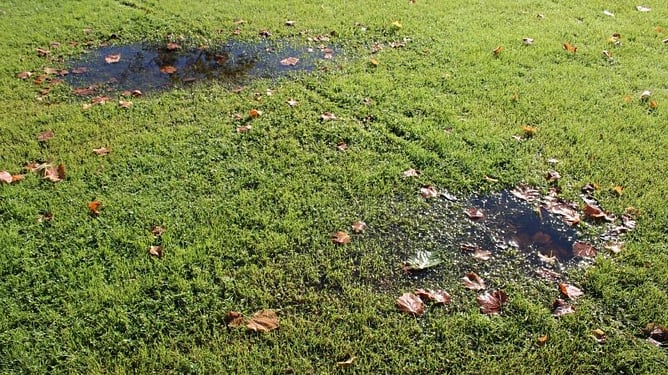
Water runoff is something most homeowners notice only when it becomes obvious. Overflowing gutters, pooling water, or soggy lawns are easy to spot.
What is less obvious is the damage that can build up slowly over time. Small drainage issues and poor roof runoff control can affect a property long before any visible flooding occurs.
In regions like Waikato, where heavy rain is common, managing water movement around a home is an important part of protecting the building itself.
How Water Runoff Starts at the Roof
Every time it rains, your roof collects and channels large volumes of water. That water is meant to flow into gutters, downpipes, and away from the property through a controlled drainage path.
When everything is working properly, this system protects the home from moisture damage.
Problems start when any part of that system becomes restricted. Leaves, moss, and debris can slow or block water flow, causing overflow in unexpected areas.
Over time, this can lead to water spilling where it should not be going.
The Role of Gutters in Managing Water Flow
Gutters are the first line of defence in controlling roof runoff. When they are clean and clear, water moves efficiently into downpipes and away from the home.
When gutters become blocked, water begins to:
overflow onto exterior walls
pool near foundations
seep into cladding gaps
saturate garden beds near the house
These issues often go unnoticed at first because they happen gradually during repeated rainfall.
Regular gutter maintenance plays a major role in preventing long-term moisture problems.
How Poor Runoff Affects the Ground Around Your Home
Even if water is not entering the house directly, it can still cause damage around the property.
When excess water collects near foundations, it can soften the soil and reduce stability. Over time, this may lead to movement in paths, driveways, or landscaping structures.
In some cases, repeated saturation can increase the risk of dampness in subfloors or lower wall sections.
This is where surface water management becomes important, particularly in areas with clay-heavy or compacted soils.
When Drainage Systems Become Overloaded
During periods of heavy rainfall, the ground and drainage systems around a home need to handle large volumes of water.
If gutters are already overflowing, the additional load can overwhelm local drainage pathways.
This is where issues often escalate. Water that should be moving away from the property may instead sit in low-lying areas or flow back toward the building.
If drainage systems are not coping effectively, it may require assessment of the wider stormwater setup. In some cases, this involves professional solutions such as drainage services for residential stormwater management.
Hidden Moisture Problems Inside the Home
Not all water damage is visible outside. Runoff issues can also affect the interior environment.
Common hidden effects include:
increased indoor humidity
mould growth in poorly ventilated areas
damp smells in storage spaces or basements
reduced effectiveness of insulation
These issues often appear gradually, making them harder to trace back to their source.
Many homeowners only realise there is a problem once internal damage becomes noticeable.
Why Waikato Homes Are Especially Affected
Waikato’s climate plays a big role in how water behaves around properties.
Frequent rainfall combined with mild temperatures means surfaces often stay damp for longer periods. This slows evaporation and increases the chance of moss growth in gutters and on roofs.
Suburbs around Hamilton, Cambridge, and surrounding rural areas often experience a mix of clay soils and flat land, which can further slow natural drainage.
This combination makes proper water management especially important during winter and early spring.
Preventing Long-Term Water Damage
Water runoff may seem harmless when it first appears, but its long-term effects can be significant if left unmanaged. The good news is that most runoff-related damage is preventable.
Simple maintenance steps can significantly reduce risk and help maintain a controlled water path from roof to ground, reducing stress on both the building and surrounding soil.
In more complex cases, drainage improvements may be required to ensure long-term performance during heavy rainfall.
A proactive approach to water management is one of the simplest ways to protect a property through the wetter months of the year. Contact the Dry Gutts team today to discuss preventative maintenance.