Water overflow around a home is one of the most common causes of property damage, especially during periods of heavy rain. It often starts quietly, with small drainage issues that gradually worsen over time.
Many homeowners first notice signs such as pooling water, overflowing gutters, damp patches near foundations, or slow-draining outdoor areas. While these symptoms may seem minor at first, they usually point to a larger issue in how water is being managed around the property.
Understanding the causes of overflow helps prevent long-term damage to both the structure and surrounding land.
Blocked Gutters Are a Leading Cause of Overflow
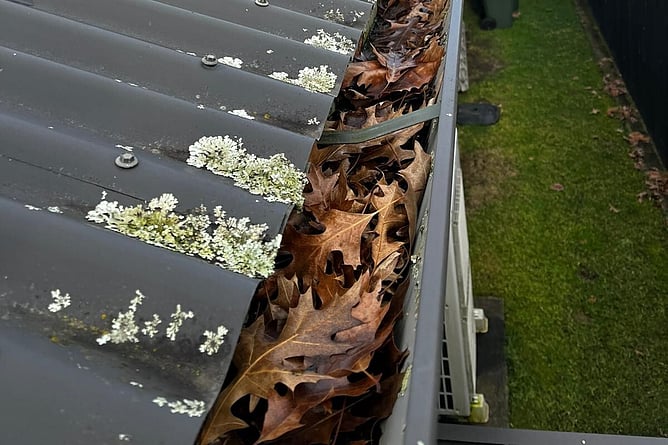
One of the most common causes of water overflow is blocked gutters. Leaves, moss, and roof debris can build up over time, especially in areas with heavy vegetation or frequent rain.
When gutters become blocked, water has nowhere to go. Instead of flowing through downpipes, it spills over the edge and falls directly around the base of the home.
This can lead to:
water pooling near foundations
erosion in garden beds
moisture entering wall cavities
increased dampness in subfloor areas
Regular gutter maintenance is essential to ensure water is directed away from the property effectively.
Downpipe and Drainage Restrictions
Even if gutters are clear, water can still overflow if downpipes or connected drainage systems are restricted.
Downpipes are designed to carry water from the roof to ground-level drainage systems. If they are partially blocked or undersized for heavy rainfall, water can back up quickly.
This is particularly noticeable during sudden downpours when water volume exceeds system capacity.
In some cases, external drainage systems may also be overwhelmed, requiring inspection of the wider stormwater setup.
Poor Ground Drainage Around the Property
The way water moves once it reaches the ground is just as important as how it is collected from the roof.
If the surrounding soil is compacted or poorly graded, water may not drain away efficiently. Instead, it can accumulate around the base of the home.
This is common in areas with flat sections with limited slope or clay-heavy soils.
Over time, this can increase the risk of structural moisture issues and foundation weakening.
Plumbing System Backflow and Internal Drainage Issues
Water overflow is not always limited to exterior systems. In some cases, plumbing systems can also contribute to or be affected by drainage problems.
Blocked household drains, overloaded stormwater systems, or restricted wastewater lines can cause water to back up into sinks, showers, or outdoor drains.
This is where plumbing systems and external drainage systems overlap. A professional assessment may be required to identify whether the issue originates indoors or outdoors.
In situations involving complex drainage faults or repeated overflow problems, plumbing and gas fitting experts can help diagnose and resolve system-wide issues.
Heavy Rainfall and System Overload
Even well-maintained drainage systems can struggle during periods of extreme weather.
Heavy rainfall increases the volume of water entering roofs, gutters, and ground surfaces in a short time. If multiple systems are already under strain, overflow becomes more likely.
This is particularly relevant in regions that experience:
frequent storm events
prolonged wet seasons
sudden high-intensity rainfall
In these conditions, even small blockages or minor design limitations can lead to noticeable overflow.
Roof Design and Water Flow Efficiency
The design of the roof itself can also influence how well water is managed.
Complex rooflines with multiple valleys and angles may collect water in concentrated areas. If gutters are not correctly positioned or sized, water may overflow even without blockages.
Older homes may also have outdated drainage designs that do not meet modern rainfall expectations.
Preventing Water Overflow Problems
Preventing overflow is usually more effective and less costly than repairing damage after it occurs.
By maintaining gutters, ensuring proper drainage, and addressing plumbing or stormwater concerns early, homeowners can significantly reduce the risk of water damage.
A proactive approach to water management helps protect both the structure of the home and the surrounding landscape, especially during periods of heavy rainfall.
Contact the Dry Gutts team to discuss gutter maintenance and exterior water management before small issues turn into costly damage.