Water management is one of the most important but often overlooked parts of modern construction. While design, materials, and finishes tend to get most of the attention, how a building handles water over time has a direct impact on its durability.
Poor water control during or after construction can lead to long-term issues that are expensive and difficult to fix. These problems often begin with small oversights in drainage, roof runoff planning, or exterior water management.
Understanding how water moves through and around a building helps reduce these risks from the start.
Why Water Management Starts at the Construction Stage
Effective water management is not something that can be fully “added later.” It needs to be considered during the planning and building phases of a project.
When construction teams design a building, they must account for:
roof runoff direction
gutter placement and sizing
site slope and grading
stormwater flow paths
foundation protection
If these elements are not properly integrated, water can accumulate in unwanted areas and gradually damage the structure over time.
In many cases, long-term maintenance issues can be traced back to decisions made during construction.
Roof Runoff and Its Impact on Building Performance
One of the most important water management systems in any building is the roof drainage system.
When it rains, roofs collect large volumes of water that must be directed safely away from the structure. This is typically managed through gutters and downpipes that carry water into external drainage systems.
If roof runoff is not properly controlled, it can lead to:
water pooling around foundations
erosion of surrounding soil
moisture entering wall cavities
accelerated wear on exterior materials
These issues often develop slowly, making them easy to miss in the early stages.
How Construction Decisions Affect Long-Term Maintenance
Many water-related problems in buildings do not appear immediately. Instead, they develop gradually over years of exposure.
Small construction oversights, such as undersized drainage or poorly positioned downpipes, can lead to recurring maintenance issues.
These might include:
repeated gutter blockages
ongoing damp patches
mould growth inside the home
premature deterioration of exterior materials
Addressing these issues after construction is usually more expensive than designing them out from the beginning.
The Role of Exterior Water Systems in Building Protection
Exterior water systems are the first line of defence against moisture entering a building envelope.
Gutters, downpipes, and surface drainage all work together to control how water moves around the structure.
When these systems are well designed and maintained, they significantly reduce the risk of water damage.
In many cases, construction planning benefits from aligning with specialist exterior maintenance practices during the build phase.
How Water Problems Increase Exterior Cleaning Needs Over Time
Water management issues don’t just affect structural performance. They also make routine exterior maintenance more difficult.
When water is not properly directed away from a building, it can contribute to:
dirt and grime buildup on cladding
moss and algae growth on exterior surfaces
staining from constant moisture exposure
faster re-soiling after rain events
This is where construction decisions can have a long-term impact on how often a property needs house washing.
Poor roof runoff or overflowing gutters often causes water to repeatedly run down exterior walls. Over time, this leaves behind mineral marks, organic growth, and surface contamination that becomes harder to clean.
Why Maintenance Thinking Matters in Construction Design
Modern construction is increasingly focused on lifecycle performance rather than just initial build quality.
This means thinking beyond completion and considering how the building will perform over decades of use.
Water management plays a major role in this approach. A well-designed drainage system reduces the need for future repairs and protects the structural integrity of the building.
Builders and designers who account for maintenance needs during construction often deliver more durable and resilient properties.
Conclusion
Water management is not just an exterior concern—it is a core part of construction planning that affects long-term building performance.
From roof runoff to site drainage, every stage of water movement needs to be carefully considered during the build process. When these systems are properly designed and implemented, they help prevent structural damage, reduce maintenance costs, and improve overall building longevity.
They also play an important role in how clean a property stays over time, influencing how often services like house washing are needed to maintain exterior appearance and condition.
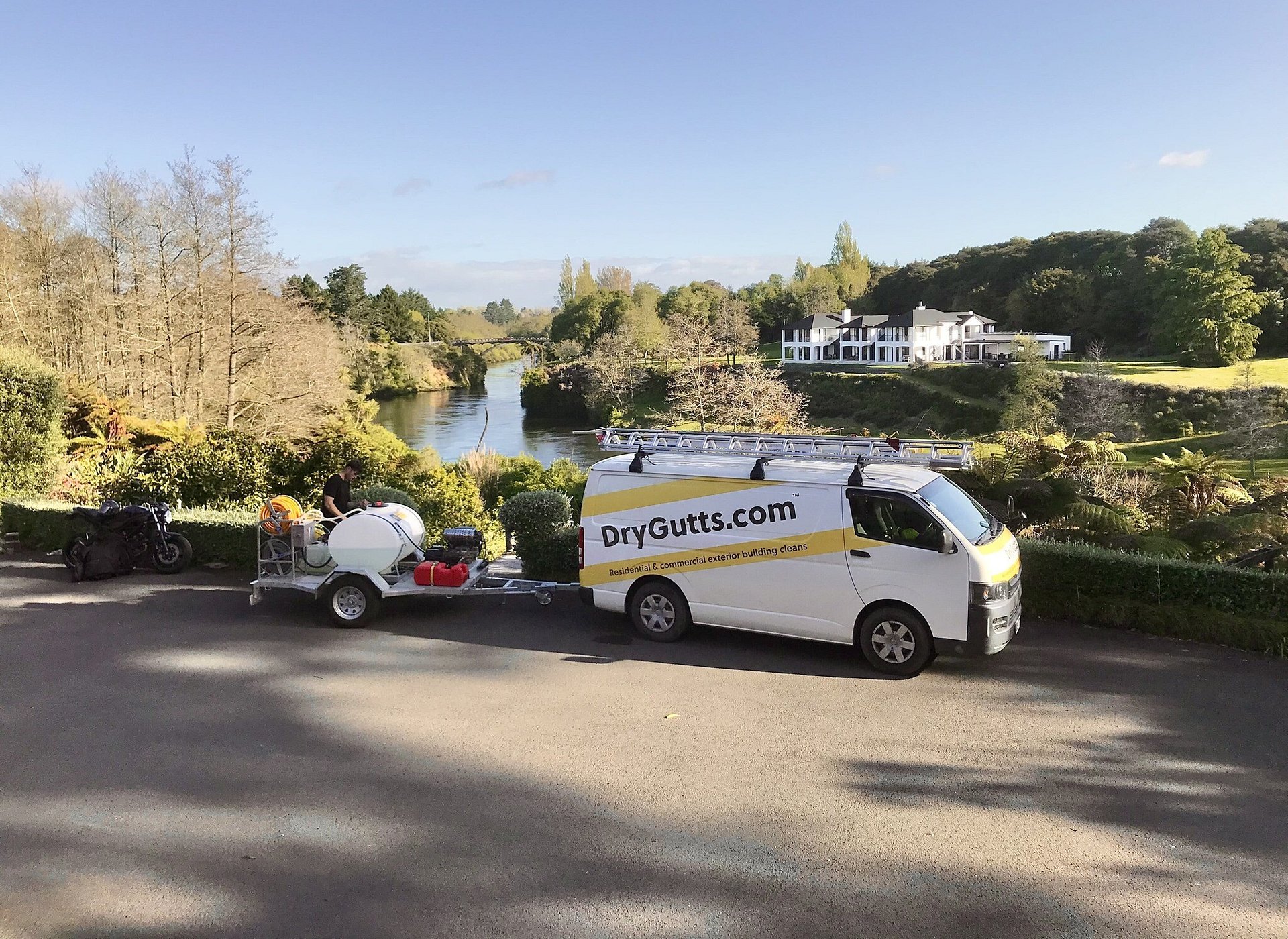
If you’re dealing with ongoing exterior staining, gutter overflow, or buildup caused by poor water runoff, it may be time to address the root cause. Contact the Dry Gutts team to discuss gutter cleaning and exterior water management solutions.