
Most homeowners think of air conditioning as an indoor system. It manages temperature, airflow, and comfort inside the home.
However, the performance of air conditioning is strongly influenced by the condition of the building itself. Roofs, gutters, and exterior surfaces all play a role in how heat and moisture move through a property.
In regions like Auckland and Waikato, where humidity and rainfall are common, this connection becomes even more important.
Companies like DryGutts regularly see how exterior maintenance impacts overall building comfort and efficiency.
Roof Condition and Heat Retention
Roofs are one of the main surfaces affecting indoor temperature. A dirty or moisture-retaining roof can hold more heat during warmer months.
This heat gradually transfers into the building structure. As a result, air conditioning systems must work harder to maintain a stable indoor temperature.
In Auckland’s humid summers, this effect is more noticeable. Properties with poor roof maintenance often experience uneven cooling and higher energy usage.
Regular roof cleaning helps reduce heat absorption and improves overall thermal performance.
The Hidden Impact of Gutters and Drainage
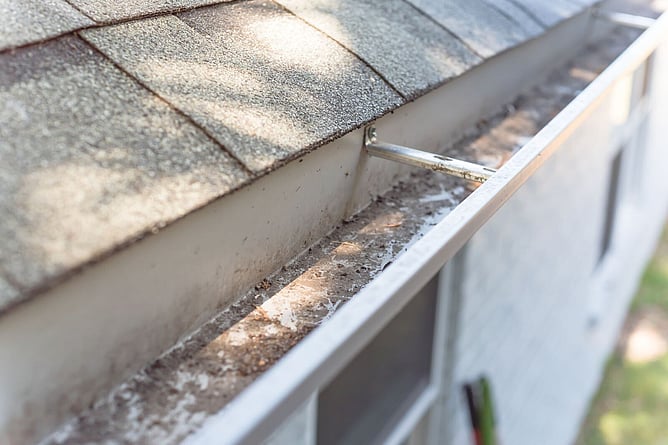
Gutters play a critical role in managing water flow away from a building. When they become blocked, water can overflow onto roof edges and wall structures.
Over time, this moisture can seep into building materials. Damp insulation and internal wall moisture reduce the effectiveness of temperature control systems.
Air conditioning systems then need to compensate for unstable indoor conditions. This increases energy consumption and reduces system efficiency.
Preventing these issues through routine exterior maintenance supports better long-term performance of cooling systems.
Why Moisture Increases Cooling Demand
Moisture is one of the biggest contributors to indoor discomfort. Even when temperatures are moderate, high humidity can make indoor spaces feel warmer.
Air conditioning systems remove both heat and moisture from the air. When a building already has excess moisture from roof or gutter issues, the system must work harder.
This is particularly relevant in Waikato, where rainfall levels and humidity often remain high throughout the year.
Reducing external moisture sources helps stabilise indoor humidity levels and improves comfort.
Air Conditioning Efficiency and Building Envelope Performance
The “building envelope” refers to the roof, walls, windows, and insulation that separate indoor and outdoor environments.
When this envelope is compromised by moisture or poor maintenance, air conditioning systems lose efficiency.
Heat enters more easily, and cooled air escapes more quickly. This creates a cycle of increased energy use and reduced comfort.
Well-maintained roofs and clean gutters support a stronger building envelope by reducing moisture intrusion and structural deterioration.
This is why exterior maintenance is often considered part of broader energy efficiency planning.
HVAC Systems and Maintenance Coordination
Air conditioning systems are most effective when the building environment is stable and dry. In New Zealand, HVAC services focus on installation and servicing of cooling systems across residential and commercial properties.
However, even well-installed systems can underperform if the building structure is compromised by moisture or poor drainage.
This highlights the importance of coordinating HVAC performance with exterior property maintenance.
Local Conditions in Auckland and Waikato
Auckland and Waikato properties face a combination of environmental challenges that affect both exterior and interior systems.
Key factors include:
High humidity during warmer months
Frequent rainfall events throughout the year
Leaf buildup in suburban and rural areas
Older housing stock with variable insulation quality
Coastal air exposure in parts of Auckland
These conditions increase the importance of regular roof and gutter maintenance. Without it, moisture problems can quickly affect both building structure and indoor climate control systems.
Reducing Energy Costs Through Preventative Maintenance
Energy efficiency is becoming a major concern for homeowners and landlords. Air conditioning use continues to rise during warmer periods.
However, reducing unnecessary strain on these systems can help lower operating costs. One of the simplest ways to achieve this is through preventative exterior maintenance.
Clean roofs reflect heat more effectively. Clear gutters prevent moisture damage. Together, they support more stable indoor conditions.
This reduces how often air conditioning systems need to cycle on and off, which can improve long-term efficiency.
A More Complete Approach to Home Comfort
Indoor comfort is not determined by air conditioning alone. It depends on the entire building environment.
Exterior cleaning helps manage moisture, heat, and structural health. Air conditioning systems manage indoor air quality and temperature. When both are maintained properly, homes become more comfortable and efficient year-round.
This approach is especially valuable in regions like Auckland and Waikato, where weather conditions place constant pressure on buildings.
For a professional roof cleaning, gutter maintenance, and exterior house washing quote, call the Dry Gutts team.