Shaded homes have a lot going for them. They often feel cooler in summer, sit beautifully among mature trees, and have a settled, established look that many Cambridge properties are known for.
The challenge is that shade also creates the kind of roof conditions moss, lichen, and algae love. When parts of the roof stay damp for longer after rain, organic growth can take hold faster than many homeowners expect.
That is where roof moss treatment becomes an important part of regular exterior maintenance. It is not just about making the roof look cleaner from the street. It is about helping reduce moisture-holding growth, protecting the appearance of the home, and keeping roofline debris under better control before it causes bigger maintenance issues.
For shaded Cambridge homes, this matters even more. Tree cover, damp air, cooler roof sections, and seasonal leaf fall can create a cycle in which moss and lichen keep returning. With the right roof moss treatment approach in Cambridge, we can help slow that cycle down and support a cleaner, healthier-looking roof without relying on harsh pressure where it is not needed.
Why Shaded Cambridge Roofs Are More Prone to Moss and Lichen
Moss and lichen thrive in areas where moisture sits for longer. On a fully exposed roof, sunlight and airflow can help dry the surface more quickly after rain or morning dew. On a shaded roof, especially one surrounded by trees or tucked into a sheltered section, that drying process can take much longer. The result is a roof surface that stays damp enough for organic growth to settle in and spread.
Cambridge has many homes with mature gardens, large trees, and established landscaping. These features add a lot of character to a property, but they can also affect the roof. Overhanging branches drop leaves, pollen, seeds, bark, and other small organic material.
Once that debris lands on the roof, it can gather in valleys, around flashings, behind chimneys, and near gutter lines. Those areas become ideal places for moss and lichen to start growing.
South-facing roof sections are another common problem area. These parts of the roof often receive less direct sunlight, which means they can remain cooler and damper throughout the day.
Even if the front of the roof looks relatively clean, a shaded back section may be carrying far more moss and lichen than expected. From the ground, this build-up is not always obvious until it becomes widespread.
Waikato weather also plays a role. Regular rainfall, humidity, and mild conditions create an environment where moss, algae, and lichen can keep returning if the roof is not maintained. For Cambridge homeowners, roof moss treatment is often less about a one-off tidy-up and more about keeping organic growth under control over time.
What Happens When Roof Moss and Lichen Are Left Untreated
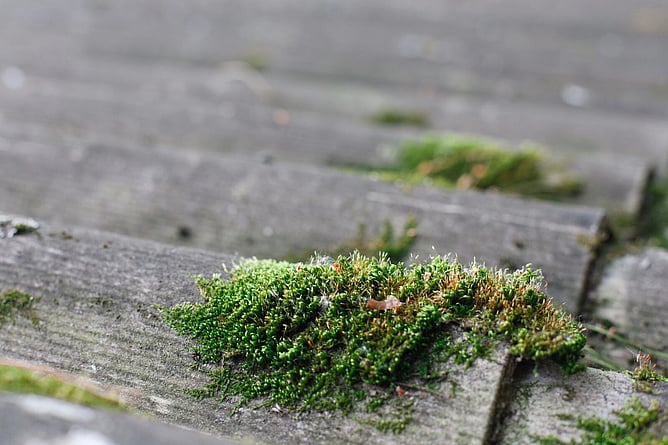
Moss might look harmless at first, especially when it appears as a few small green patches. The problem is that moss holds moisture. Once it settles into the roof surface, it can stay damp long after the rain has stopped. That extra moisture can contribute to roof staining, surface wear, and a generally tired appearance.
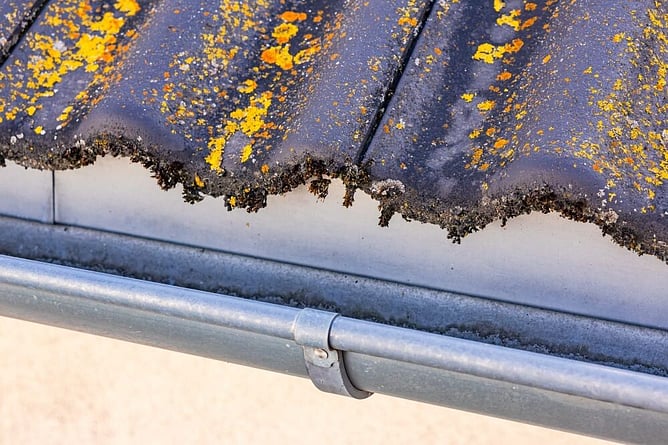
Lichen can be even more stubborn. It often appears as pale, grey, white, or crusty spots across the roof. Over time, it can cling tightly to the surface, which makes it harder to manage if it is left for too long. The longer moss and lichen are allowed to build up, the more noticeable they become and the more care is needed to treat them properly.
There is also the gutter connection to think about. Moss, lichen, leaves, and roof debris do not always stay on the roof. Wind and rain can move loose material down toward the gutter line. If gutters are already carrying leaves or silt, that extra roof debris can make blockages happen sooner. A homeowner may clean the gutters, only to find them filling again because the roof above is still shedding organic matter.
A mossy roof can also make the whole home look older than it is. Even a well-maintained property can appear neglected if the roof is heavily stained or patchy. This is especially noticeable on lighter roof colours or homes with visible street-facing rooflines. Roof moss treatment helps restore a cleaner impression and supports the overall presentation of the property.
Roof Moss Treatment vs Roof Pressure Washing
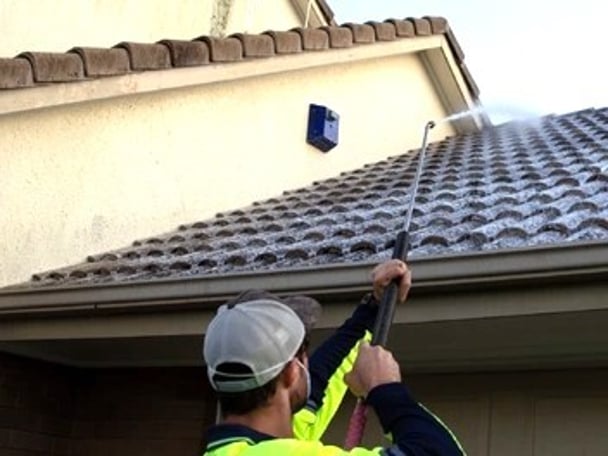
One of the most common questions homeowners ask is whether a mossy roof should be washed or treated. The answer depends on the roof surface, the amount of build-up, access, and the condition of the roofing material. In many cases, roof moss treatment is the safer and more practical starting point, especially where harsh pressure is not suitable.
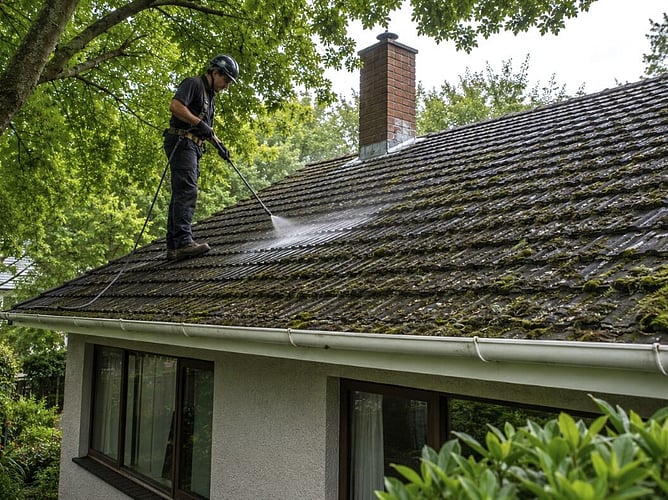
Pressure washing has its place in exterior cleaning, but it is not always the right choice for a roof. Some roof surfaces are more delicate than they look. High pressure can disturb coatings, force water where it should not go, or create unnecessary wear if it is used in the wrong way. That is why we take a careful approach and consider what the roof actually needs before recommending a method.
Roof moss treatment works differently. Instead of blasting away growth with force, a suitable treatment is applied to the affected areas and allowed to work over time. The moss, lichen, and algae gradually break down, weather off, and become less visible as the treatment does its job. This lower-impact approach is particularly useful for roofs where we want to reduce organic growth without putting unnecessary stress on the surface.
That does not mean every roof will respond in exactly the same way or at the same speed. A lightly affected roof may show improvement sooner, while a heavily moss-covered or lichen-marked roof may take longer.
Weather, roof pitch, roof material, and the thickness of the growth can all influence the result. The key is choosing a treatment approach that is safe, suitable, and realistic for the property.
Signs Your Cambridge Home Needs Roof Moss Treatment
Many homeowners wait until moss is visible from the driveway before they book treatment, but earlier signs can appear long before the roof looks heavily affected. A shaded roof section that stays damp well into the day is one of the first things to watch. If one part of the roof always seems darker, greener, or slower to dry, it may already be creating the right conditions for moss and lichen.
Visible green patches are another clear sign. These often appear around roof edges, under trees, near valleys, or on lower-sun sections. At first, the moss may look soft and scattered. Over time, it can thicken and spread, especially if leaves and other debris are also sitting on the roof.
White, grey, or pale crusty spotting can indicate lichen. Lichen often clings firmly to the roof surface and may not brush away easily. It can make the roof look speckled or weathered, even when the rest of the home is clean. If lichen is widespread, professional treatment is usually the best option because it needs time and the right product to break down properly.
Gutters that block soon after cleaning can also point to a roof issue. If the gutters are filling with moss, small roof debris, or organic material, the problem may be coming from above. In that case, gutter cleaning helps clear the immediate blockage, but roof moss treatment helps address one of the causes.
Homeowners should also look at areas around overhanging branches, roof valleys, skylights, chimneys, and solar panels. These spots can trap debris and stay damp for longer, making them more likely to support moss and lichen growth.
Why Professional Roof Moss Treatment Is Worth It
Roof work should always be approached with care. Even a single-storey home can present access risks, and a damp or mossy roof surface can be slippery. Professional roof moss treatment means the roof can be assessed and treated using the right equipment, safety practices, and cleaning knowledge.
Before treatment, we look at the condition of the roof, the amount of moss and lichen present, and any obvious areas where debris is gathering. This helps us choose a suitable approach rather than treating every roof the same way. A shaded Cambridge home under trees may need a different plan from a newer home with only light algae staining.
We also consider the surrounding property. Gardens, pets, outdoor living areas, tanks, and drainage all matter when exterior treatments are being applied. A professional service allows those details to be discussed before the work begins, so the property can be prepared properly and the treatment can be carried out with care.
Another benefit is long-term maintenance advice. Roof moss treatment is not always a once-and-done job, especially in shaded or tree-covered areas. We can help homeowners understand what is likely to return, how quickly it may happen, and when it makes sense to schedule future treatment. In moss-prone locations, regular care can make a big difference to how the roof looks and performs over time.
How Roof Moss Treatment Helps Protect Gutters and Drainage
The roof and gutters work together more than many people realise. When the roof is covered in moss, lichen, leaves, and loose debris, that material often ends up moving downward. Rain pushes it into valleys and gutters. Wind shifts it across roof faces. Over time, small amounts of debris can collect until water no longer flows properly.
Blocked gutters can create several issues around the home. Water may overflow at the roofline, spill down exterior walls, pool around paths, or put extra pressure on drainage areas. During heavy rain, a small blockage can quickly become more noticeable. For shaded Cambridge homes, this can be especially frustrating because the same trees that help keep the section cool can also contribute to leaf fall and gutter build-up.
Roof moss treatment helps reduce one part of that cycle. By treating the moss and lichen on the roof, we help control the organic growth that may otherwise continue breaking away and feeding into the gutters. It is often a good idea to think of roof moss treatment and gutter cleaning as connected services rather than separate jobs.
If gutters have recently overflowed, or if they seem to block again soon after being cleaned, it is worth checking what is happening on the roof above. Sometimes the visible gutter problem is only the symptom. The cause may be moss, lichen, and debris sitting higher up where it is harder to see from the ground.
When Is the Best Time to Treat Roof Moss in Cambridge?
Roof moss treatment can be useful at different times of year, but timing does matter. In general, it is best to deal with moss and lichen before the roof becomes heavily covered. Early treatment is usually more manageable than waiting until growth has spread across large sections.
Before winter, it's a smart time to check the roofline. Wetter months can expose drainage problems quickly, especially if gutters are already carrying moss, leaves, and roof debris. Treating organic growth before prolonged wet weather can help reduce the amount of material sitting on the roof and support better exterior maintenance through the season.
After autumn leaf fall is another good time to pay attention. Homes with overhanging trees may have roof valleys, gutters, and shaded corners filled with leaves and small debris. Once that organic matter becomes damp, it can help moss and algae settle in. A roof and gutter check after heavy leaf fall can prevent small build-up from turning into a bigger problem.
Spring and summer can also be suitable times, particularly when homeowners want to freshen up the exterior before entertaining, selling, repainting, or completing other property maintenance. Drier weather can help with access and treatment conditions, although the exact timing will depend on the product, roof condition, and forecast.
For heavily shaded homes, the best approach is often regular monitoring. If moss returns quickly every year, a scheduled maintenance plan may be more effective than waiting for the roof to look untidy again.
What Homeowners Should Do Before Booking Treatment
Before booking roof moss treatment, it helps to think through a few practical details. If the home uses rainwater tanks, that should be mentioned before the job is confirmed. Roof treatments and water collection systems need to be managed carefully, and preparation may be required to protect the water supply.
Access is another important detail. Gates, pets, steep driveways, narrow side paths, outdoor furniture, and locked areas can all affect how easily the roof can be reached. Letting us know about these things ahead of time helps the job run more smoothly.
Homeowners should also mention any known roof concerns. If there are cracked tiles, loose iron, leaks, skylight issues, damaged flashings, or previous repair areas, it is better to raise them before treatment begins. While roof moss treatment is designed to be lower impact than aggressive washing, the roof should still be treated with a full understanding of its condition.
It is also helpful to clear areas around the home where possible. Moving small outdoor items, keeping pets safely inside, and ensuring vehicles are not blocking access can make the service easier and safer. We take care around homes, gardens, and outdoor spaces, and a little preparation helps us do the best possible job.
Keeping a Shaded Cambridge Roof Under Control
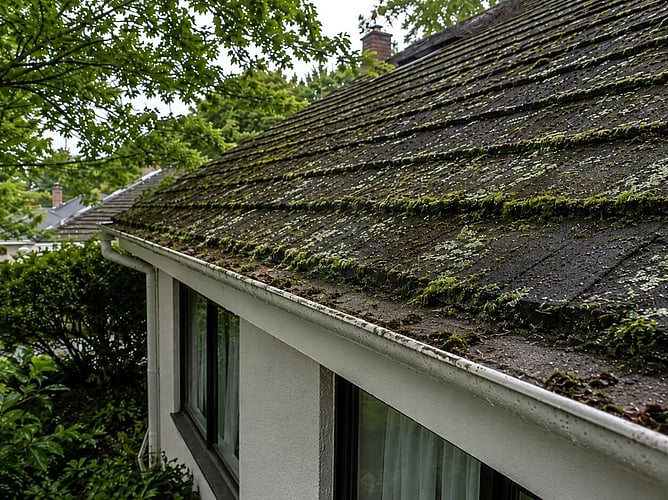
A shaded roof will always need a bit more attention than a roof that gets full sun and strong airflow. That does not mean homeowners need to worry every time they see a little green growth, but it does mean roof moss treatment should be part of the wider maintenance plan.
The goal is to stay ahead of the build-up. Once moss and lichen become thick, widespread, or deeply established, they take longer to treat and can affect the way the whole property looks. Regular treatment helps keep the roof cleaner, supports the gutter system, and reduces the chance of organic debris building up unnoticed.
For Cambridge homes surrounded by trees, this is especially important. The same shade that gives a property its character can also create the damp roof conditions moss and lichen need. With the right treatment and ongoing care, the roof can stay better maintained through changing seasons.
Book a Roof Moss Treatment for Your Cambridge Home
If your roof is looking green, patchy, stained, or slow to dry after rain, it may be time to book roof moss treatment. Shaded Cambridge homes are naturally more prone to moss, lichen, and algae, especially where trees, damp corners, and low-sun roof sections are involved.
We provide careful roof moss treatment for Cambridge homes and properties as well as across the wider Waikato. Our approach is designed to reduce organic growth, improve the appearance of your roof, and support long-term exterior maintenance without using unnecessary harsh pressure on delicate surfaces.
If you are unsure whether your roof needs treatment, we can take a look and recommend the right next step. Whether the issue is light moss, stubborn lichen, recurring gutter debris, or a shaded roofline that never seems to dry properly, we are here to help you keep your home looking clean, tidy, and well cared for.
Also, we also serve the Hamilton area; as well as Cambridge and Te Awamutu as well as the surrounding regions. Get in touch now!
Get in touch with our DryGutts team today!
General enquiries : 022 462 9405
Email: admin@drygutts.com