
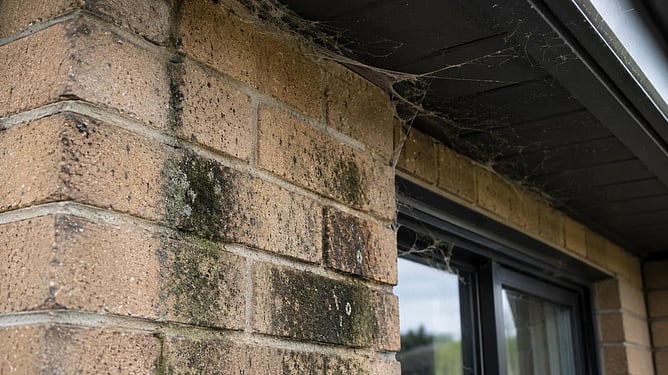
Brick homes have a reputation for being strong, durable and relatively easy to maintain, but that does not mean the exterior stays clean on its own. Over time, mould can appear on shaded walls, cobwebs can gather beneath the eaves and around window frames, and a layer of dust and grime can gradually dull the colour of the brickwork.
For homeowners in Cambridge or anywhere across the Waikato, these changes can be particularly noticeable around parts of the property that stay damp or receive less direct sunlight. A wall may look fine from a distance, but closer inspection can reveal dark spotting between bricks, greenish organic growth near the base of the house, or thick cobwebs tucked into sheltered corners.
When it is time to clean the house exterior, the answer is not necessarily to reach for the highest-pressure equipment available. A softer, more controlled house washing method can clean brickwork and the surrounding exterior surfaces effectively without relying on unnecessary force.
Why Brick Homes in Cambridge Develop Mould and Cobwebs
Exterior build-up happens gradually, which means it is easy to overlook until the difference between clean and dirty areas becomes obvious. Brick may disguise some dirt better than lighter cladding, but mould, algae, cobwebs and environmental grime can still change the overall appearance of the house.
Damp and Shaded Walls Can Encourage Organic Growth
Parts of a home that receive limited sunlight often remain damp for longer after rain, heavy dew or periods of humid weather. These conditions can make shaded walls more prone to mould, mildew and algae.
You might notice the problem first along one side of the home rather than across the entire building. South-facing walls, sheltered passages between houses, areas behind established planting and sections beneath large eaves can all develop visible growth sooner than sunnier, more exposed areas.
Once this build-up begins to spread, the brick can start looking darker or patchier than the rest of the house.
Cobwebs Gather Around Sheltered Exterior Areas
Spiders naturally favour areas where their webs are protected from wind and heavy rain. That makes eaves, soffits, window frames, downpipes, exterior lights and covered entrances common places for cobwebs to accumulate.
A few webs might not seem significant on their own, but they quickly collect dust, insects and airborne debris. As more appear around the exterior, they can make an otherwise well-maintained home look untidy.
Because these webs often sit above eye level, homeowners may not notice how extensive the build-up has become until they step back and look at the whole façade.
Trees and Established Gardens Can Contribute to Build-Up
Mature gardens, hedges and established trees surround many Cambridge and Waikato homes. These features add plenty of character to a property, but they can also increase shade and reduce airflow around certain exterior walls.
Leaves, pollen and fine organic debris can settle across the house, while nearby planting can keep surrounding areas damper for longer. The combination of moisture and environmental debris can contribute to the gradual build-up of grime and organic growth.
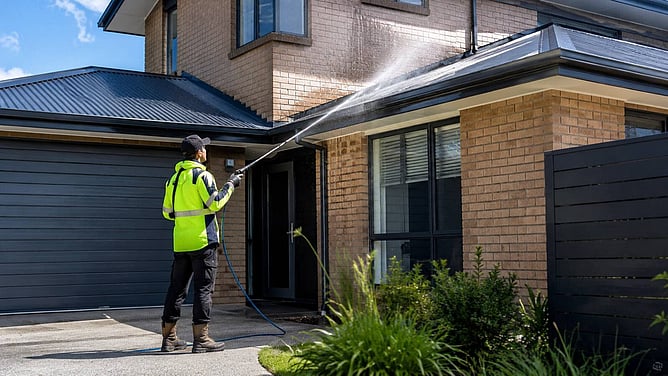
Is Pressure Washing Safe for Brick Homes?
Brick is a robust building material, but cleaning a brick house involves more than the brick faces themselves. Mortar joints, painted surfaces, window frames, seals, soffits and other exterior materials all form part of the area being cleaned.
For this reason, more pressure does not automatically mean a better clean.
Brickwork Includes More Than Just the Brick Surface
A high-powered stream of water might appear to be the quickest way to remove visible staining, but exterior cleaning needs to account for the condition of the complete surface.
Older mortar, damaged joints and surrounding painted materials may not respond well to excessive force. Water can also be pushed into gaps and joins when pressure is applied too aggressively or at an unsuitable angle.
A professional house wash should use enough cleaning action to deal with the contamination while avoiding unnecessary stress on the exterior.
High Pressure Is Not Always Needed to Remove Mould
Mould and algae are organic growth rather than simple loose dirt. Instead of relying entirely on force to blast away what is visible, soft washing uses appropriate cleaning products to help treat and loosen the build-up before it is rinsed away particularly on delicate surfaces.
This means the cleaning process can work on the contamination itself rather than simply attacking the surface with high-pressure water.
How Soft House Washing Works on Brick
Soft wash house washing is a controlled exterior cleaning process that combines suitable cleaning solutions with lower-pressure rinsing. The exact approach can vary according to the home, the severity of the build-up and the condition of the surfaces being cleaned.
At DryGutts, we use soft-wash systems for exterior house washing and adapt the cleaning method to the surface and condition of the property.
We Start by Looking at the Condition of the Exterior
No two brick homes require exactly the same treatment.
One property may have light dust, spider webs and a small amount of mould beneath the eaves. Another may have heavy organic staining covering an entire shaded side of the house.
Before cleaning, we look at the materials, condition of the exterior, level of build-up and surrounding areas. This helps us choose a practical cleaning approach rather than treating every property in exactly the same way.
We Use Cleaning Products to Loosen Exterior Build-Up
A major advantage of soft washing is that the process does not depend entirely on water pressure.
Suitable cleaning products are applied to help break down mould, algae, dirt and other exterior contamination. Allowing the cleaning solution to do its job reduces the need to attack the surface with excessive mechanical force.
This can be especially useful where organic staining has settled into textured brickwork, mortar lines or other detailed areas that are harder to clean using water alone.
We Pay Attention to Cobwebs and Exterior Details
Cleaning the main brick walls is only part of a complete exterior wash.
Cobwebs often appear around the exact features that frame the house, including soffits, fascia areas, exterior joinery, corners and covered entryways. If these areas remain dirty, the exterior can still look unfinished even after the walls themselves have been cleaned.
Removing the webs, dust and grime from these details helps create a more consistent finish across the property.
We Rinse Away Loosened Dirt and Cleaning Residue
Once the cleaning products have had time to work, the exterior is thoroughly rinsed.
The aim is to remove loosened contamination and leave the surfaces looking cleaner and more even without subjecting them to unnecessary harsh pressure.

What Can Be Removed During a Brick House Wash?
A professional house wash can deal with several types of common exterior build-up. The result will depend on how long the staining has been present, the condition of the brickwork, and what caused the mark in the first place.
Mould, Mildew and Algae
Organic growth is particularly noticeable on sections of brick that stay damp or shaded.
Mould may present as dark spotting or staining, while algae can leave walls with a greenish film. These contaminants can spread gradually if the conditions around the surface remain favourable.
Soft washing helps treat and remove this type of general organic build-up while avoiding the need for unnecessarily aggressive pressure.
Cobwebs and Spider Debris
Cobwebs can accumulate surprisingly quickly around a home.
During exterior washing, attention can be given to the eaves, soffits, corners, window surrounds and other sheltered areas where spiders commonly build their webs. Removing the webs along with the dust and debris trapped in them can immediately make the exterior look more cared for.
Dust, Pollen and Everyday Grime
Not every dirty-looking brick wall has a major mould problem.
Dust, pollen, airborne dirt and other environmental residue can gradually settle across textured exterior surfaces. Over time, this layer can mute the natural colour of the brick and give the house a generally tired appearance.
A full exterior wash can lift this accumulated grime and freshen the overall appearance of the property.
Some Stains May Need a Different Approach
It is also important to distinguish normal exterior build-up from permanent marks or surface damage.
Mineral deposits, rust staining, damaged mortar and some deeply embedded marks may not respond in the same way as mould, dust or cobwebs. In these situations, the surface may need assessment before deciding on the most suitable treatment.
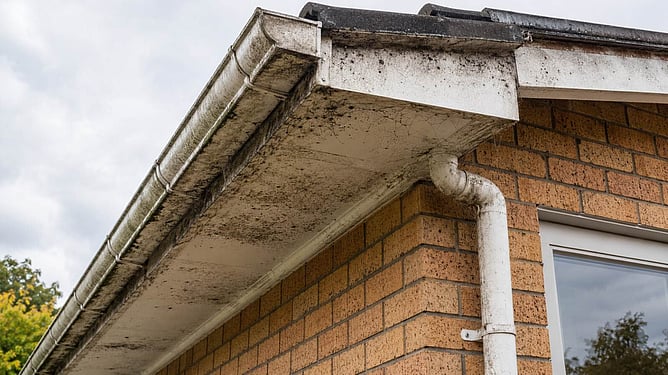
Areas Around a Brick Home That Often Get Overlooked
When most people think about washing a brick house, they naturally picture the main walls. In practice, some of the areas that make the biggest visual difference sit around the brickwork rather than directly on it.
Soffits and Eaves
Soffits and eaves are prime areas for cobwebs, insects and environmental grime because they are sheltered from direct weather.
Light-coloured soffits can make the build-up particularly obvious. Once these areas are cleaned, the roofline often looks much sharper, and the walls below appear cleaner as a result.
Window Frames and Exterior Joinery
Dirt frequently collects around window ledges, joins and frames.
These are also areas where spider webs can become established because they offer plenty of small sheltered corners. Cleaning around exterior joinery helps create a more complete result rather than leaving dirty borders around otherwise clean brickwork.
Gutters and Downpipes
The visible exterior surfaces of gutters and downpipes can collect mould, grime and streaking, particularly where water regularly runs or splashes.
It is worth remembering that washing the outside of a gutter is different from clearing leaves and debris from inside it. If the gutters are blocked or overflowing, a separate gutter cleaning service may also be needed.
Entrances and Garage Areas
Entryways and garage areas are some of the most frequently seen parts of a home.
Cobwebs around lights, dirt beside garage doors and grime around covered entrances can all affect first impressions. Giving these areas the same attention as the brick walls helps the exterior look cleaner as a whole.
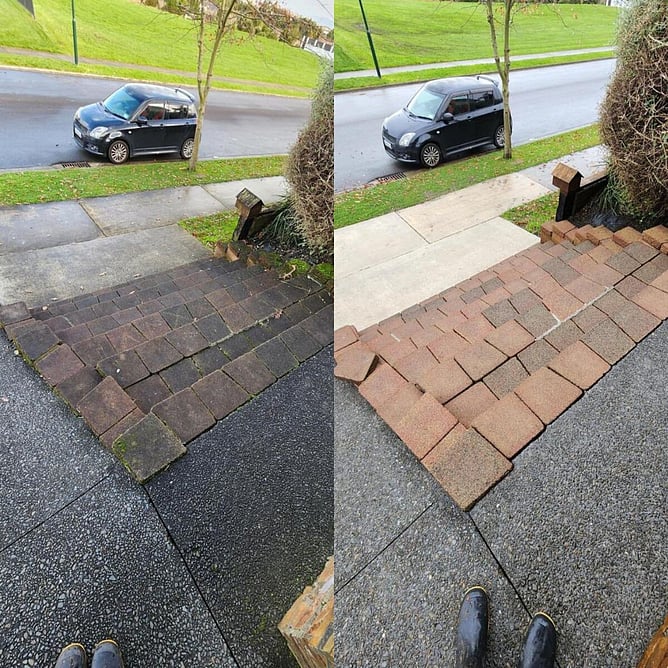
How Often Should You Soft Wash a Brick Home in Cambridge or Waikato?
There is no perfect cleaning schedule that applies to every property.
DryGutts recommends regular exterior washing as part of home maintenance, with at least an annual wash for homes across Hamilton, Cambridge and Te Awamutu. The right frequency for an individual brick home can still depend on its surroundings and how quickly visible build-up returns.
Homes With Heavy Shade May Need Attention Sooner
A property surrounded by trees or neighbouring buildings may have exterior walls that spend much of the day in shade.
If those surfaces remain damp for longer, mould and algae can become noticeable sooner than they would on a more open, sunny property.
Gardens Can Affect the Cleaning Cycle
Established landscaping can also influence how quickly the house becomes dirty. Trees, hedges and garden beds can contribute pollen, leaves, insects and fine organic debris. They can also limit airflow around certain walls.
This does not mean gardens need to be kept away from the house completely. It simply means homeowners with heavily landscaped properties may notice exterior build-up returning more quickly.
Visible Changes Are Often the Best Indicator
The condition of the home itself is one of the easiest ways to decide when another wash is due.
If dark spotting is beginning to appear on the brick, cobwebs are becoming obvious around the eaves, or the walls have developed a dull film of grime, it may be time to organise another clean.
Regular maintenance can also prevent the exterior from reaching the stage where dirt and organic growth dominate the appearance of the home.
Why Regular House Washing Is Worthwhile for Brick Homes
House washing is often considered a cosmetic service, but regular cleaning also forms part of general exterior property maintenance.
Clean Brickwork Improves the Overall Appearance of the Property
Brick has plenty of natural colour and texture, but these qualities become less noticeable when the surface is covered with grime or organic staining.
Cleaning away the accumulated build-up can make the brickwork look brighter and more defined, particularly around entrances and street-facing walls. The surrounding soffits, windows and exterior details also look sharper once cobwebs and dirt have been removed.
Regular Cleaning Helps Keep Build-Up Under Control
It is generally easier to manage exterior contamination when it is dealt with periodically rather than allowing it to become heavily established.
A maintenance wash gives us an opportunity to remove the build-up that naturally develops between cleans and keep the exterior looking consistently well cared for.
A Wash Can Refresh a Home That Is Starting to Look Tired
Not every exterior that looks dull needs repainting, replacing or renovating. Sometimes the underlying surfaces are still in good condition but have simply accumulated several seasons of dust, mould, cobwebs and general grime.
Cleaning the exterior first can reveal how much of the tired appearance was caused by build-up rather than the materials themselves.
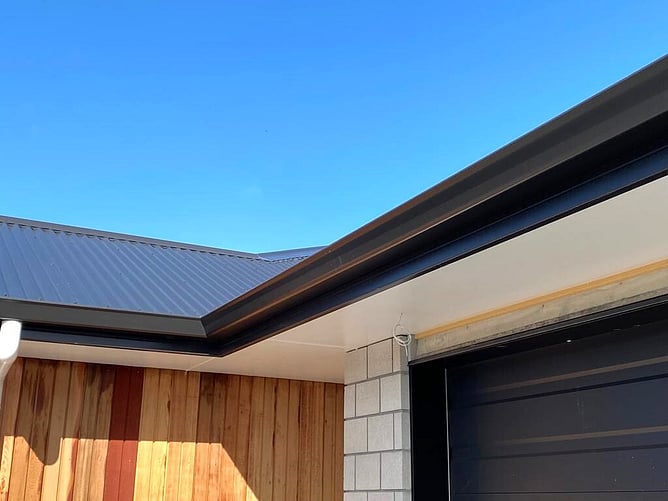
Why We Use Soft Washing for Cambridge Homes
We believe exterior cleaning should suit the surface rather than forcing every property through the same process.
DryGutts provides house washing across Cambridge, Leamington, Hautapu, Karapiro and nearby Waipā areas, as well as Hamilton and Te Awamutu, using soft-wash systems designed to clean exterior surfaces without unnecessary harsh pressure.
General enquiries : 022 462 9405
Email: admin@drygutts.com
We Choose a Method That Suits the Property
The condition of the home matters. We look at the surface materials, access, level of contamination and areas that may require extra care before deciding how to approach the wash.
That means the cleaning process for a brick home covered in cobwebs and light grime may differ from a property with heavier mould growth across shaded walls.
We Take Care Around the Surrounding Property
Exterior washing does not happen in isolation. Gardens, outdoor furniture, pathways, windows and other exterior features sit close to the areas being cleaned. Our current house washing service is built around careful workmanship, including consideration for plants, pets and surrounding outdoor areas.
We Keep the Process Straightforward
If your brick home is starting to show mould, cobwebs or general grime, getting it cleaned should be simple.
We provide clear quotes, practical advice and a straightforward explanation of what your home needs before we get started. If you are ready to freshen up your exterior, get in touch with our team and we can assess the property, recommend the right cleaning approach and provide a no-obligation quote. Talk to our team at DryGutts now!
Frequently Asked Questions About Soft Washing Brick Homes
Can Soft Washing Remove Black Mould From Brick?
Soft washing can be effective for treating and removing common organic growth, including mould, from exterior brick surfaces. The final result depends on what has caused the staining, how established it is and the condition of the underlying brick and mortar. If a mark is caused by something other than organic growth, it may require a different treatment.
Will Soft Washing Damage Brick Mortar?
Soft washing is specifically intended to reduce reliance on harsh water pressure. We still assess the condition of the brickwork before cleaning because older, damaged or deteriorating mortar may need additional care. The aim is always to choose a method appropriate for the actual condition of the exterior.
Does House Washing Remove Cobwebs Under the Eaves?
Cobweb removal can form part of a thorough exterior house wash, depending on the agreed scope of the service. Eaves, soffits, window surrounds, and sheltered corners are all common areas where webs accumulate, so these details are important when aiming for a complete exterior clean.
How Long Does It Take to Soft Wash a Brick House?
The time required depends on the size and height of the home, access around the property, the amount of mould or grime and the number of exterior features that need attention. A straightforward single-storey maintenance wash will naturally differ from a larger two-storey property with heavy organic growth, narrow access or extensive landscaping.
How Often Should a Brick House Be Professionally Washed?
For general exterior maintenance, an annual wash is a useful starting point. DryGutts currently recommends washing at least once a year to help manage mould, mildew and dirt build-up. However, a shaded Cambridge home surrounded by mature trees may show visible mould and cobwebs sooner, while a more exposed property may stay cleaner for longer.
Do We Wash Brick Homes Outside Central Cambridge?
Yes. We provide house washing and exterior cleaning in Cambridge as well as surrounding areas including Leamington, Hautapu, Karapiro and other nearby Waikato and Waipā communities.
Ready to Freshen Up Your Cambridge Brick Home?
If mould is beginning to darken the brickwork, cobwebs are taking over the eaves, or the whole exterior is simply looking dull, a professional house wash can make a noticeable difference.
We can assess the condition of your exterior, identify the areas that need attention and recommend a cleaning approach suited to the property.
Whether you are keeping on top of regular maintenance, preparing your home for sale or simply want the brickwork looking clean and cared for again, our team provides professional house washing throughout Cambridge and the surrounding Waipā area.
Get in touch with DryGutts for a clear, no-obligation quote and get the guttsy job done.
General enquiries : 022 462 9405
Email: admin@drygutts.com